

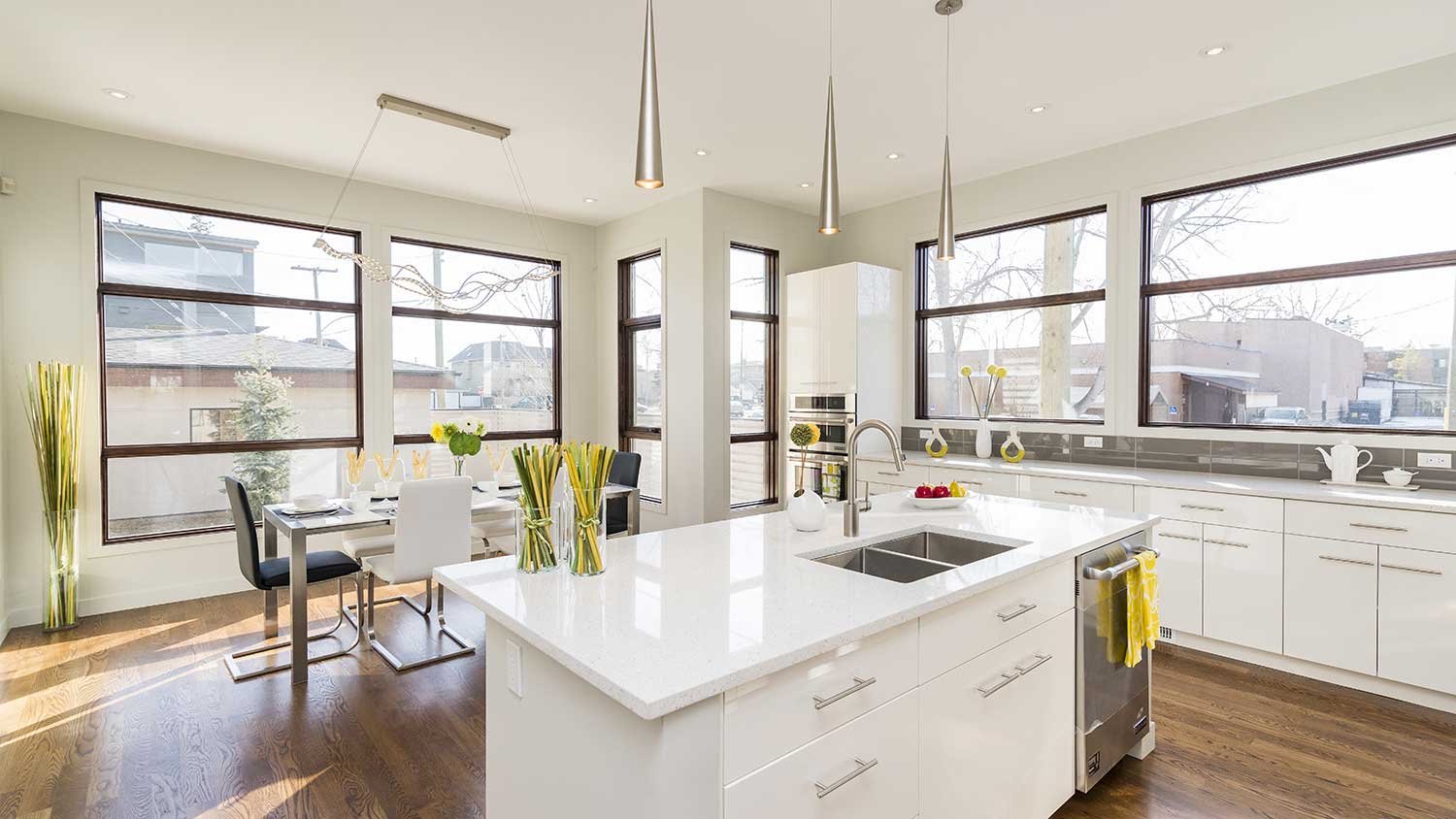
How to Fix Heating and Cooling Problems in Open-Concept Homes
Open-concept homes are designed to feel spacious, bright, and connected. Large living areas, vaulted ceilings, and open transitions between kitchens, dining rooms, and living spaces create a modern, inviting layout. But many homeowners quickly notice a downside:
These spaces are much harder to keep comfortable.
You might feel warm while cooking in the kitchen, but chilly sitting in the living room just a few feet away. Or the upstairs loft feels completely different from the main floor below.No matter how often you adjust the thermostat, something always feels off.
Why Open-Concept Layouts Create Uneven Comfort
Open-concept homes don’t just look different—they change how air behaves.
1. Air Gets Lost in Large Spaces
In traditional homes, walls and doorways help guide airflow. In open-concept layouts, air spreads out across a much larger volume, making it harder to maintain consistent temperatures. Conditioned air from your HVAC system can dissipate before it ever reaches where you need it most.
2. Heat Rises—But Has Nowhere to Go
Many open-concept homes feature high or vaulted ceilings. As warm air rises, it collects overhead and stays there. That means:
- The ceiling can be significantly warmer
- The main living area can feel cooler than expected
- Your heating system runs longer trying to compensate
3. Different Zones Compete with Each Other
Open layouts often combine multiple functional areas into one space:
- Kitchens (which generate heat)
- Living areas (where comfort matters most)
- Dining spaces (which may be used less frequently)
Each zone behaves differently, leading to uneven temperatures across the same open room.
4. Multi-Level Open Spaces Add Complexity
In homes with lofts or open second floors, warm air from the main level rises and collects upstairs. This can create:
- Overheated upper levels
- Cooler main floors
- Constant thermostat adjustments that never fully solve the issue
Why the Thermostat Isn’t the Solution
When one part of your open space feels off, adjusting the thermostat seems like the logical fix.
But in open-concept homes, this usually leads to:
- Overheating one area to compensate for another
- Increased energy usage
- Ongoing temperature imbalance
The problem isn’t how much air your system produces—it’s how that air is distributed throughout the space.
The Key to Comfort: Controlled Air Circulation
To make an open-concept home feel comfortable, you need to keep air moving evenly across the entire space—from floor to ceiling and across different zones.
This is where destratification becomes essential. By continuously mixing air throughout the room, destratification:
- Eliminates hot and cold layers
- Balances temperatures between zones
- Helps warm air reach the living space
- Reduces strain on your HVAC system
If you’ve noticed similar issues in individual rooms, you can also explore why some rooms feel warmer or colder than others.
How the Airius Pearl Solves Open-Concept Challenges
The Airius Pearl Series is uniquely suited for open-concept homes because it focuses on full-space air circulation, not just surface airflow. Instead of pushing air horizontally like traditional ceiling fans, Pearl moves air vertically—circulating the entire air column from ceiling to floor.
In large, open spaces, this creates:
- More consistent temperatures across kitchen, living, and dining areas
- Reduced heat buildup near the ceiling
- Better comfort across multiple levels
- A more balanced environment without constant thermostat changes
It’s a simple way to make a large, open space feel controlled and comfortable again. Explore the Pearl Series and bring balance back to your open-concept home.
Make Open Spaces Feel as Comfortable as They Look
Open-concept homes are designed for comfort and connection—but without proper airflow, they can be difficult to manage. By improving how air circulates throughout the space, you can eliminate uneven temperatures and enjoy the full benefits of your home’s design.
Because comfort shouldn’t depend on where you’re standing.