Which Direction Should a Ceiling Fan Spin in Winter?
When temperatures drop and you start turning on the heat, your ceiling fan might be the last thing on your mind. But did you know that changing its direction can help make your home more comfortable during winter? Most traditional ceiling fans should spin clockwise at a low speed during winter. This helps circulate warm air that naturally rises toward the ceiling, bringing it back into the areas where you spend your time. Here’s how it works—and why air circulation matters even when it’s cold outside.
Which Way Should Your Ceiling Fan Turn in Winter?
The general rule for traditional, reversible ceiling fans is simple:
- Winter: Clockwise at low speed
- Summer: Counterclockwise to create a cooling breeze
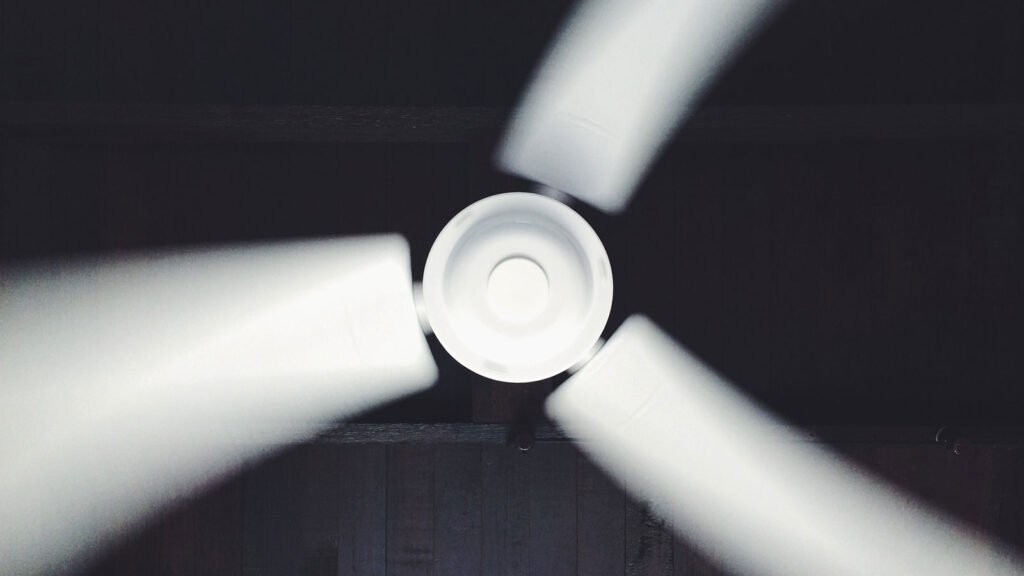
To check your fan’s direction, stand underneath it and look up at the blades. In winter mode, most ceiling fans create a gentle upward airflow that helps redistribute warmer air near the ceiling without producing a noticeable draft below. Always follow your fan manufacturer’s instructions, since designs and controls can vary.
Why Does Ceiling Fan Direction Matter in Winter?
Warm air is less dense than cool air, so it naturally rises. In rooms with tall or vaulted ceilings, this can create a noticeable temperature difference between the ceiling and the occupied living space. This is called temperature stratification.
When a traditional ceiling fan runs clockwise at a low speed, it generally pulls air upward and encourages warmer air near the ceiling to move outward and down along the walls. This helps mix the air and can make the occupied area feel more comfortable. The fan isn’t producing additional heat. It’s helping distribute the heat your HVAC system has already generated.
Can Running a Ceiling Fan in Winter Save Energy?
Potentially, yes. When heated air collects near the ceiling, the lower portion of the room may feel cooler than you’d like. Improving air circulation can help reduce that temperature difference. If the room becomes comfortable enough to lower your thermostat setting, you may be able to reduce heating energy use.
However, running a fan alone doesn’t guarantee energy savings. The results depend on your home, heating system, fan operation, and thermostat settings.
Is Reversing Your Ceiling Fan Enough?
Reversing a traditional ceiling fan can be a useful way to improve winter air circulation. But depending on the room’s size, ceiling height, and layout, you may need a different approach to air distribution. That’s where destratification fans come in.
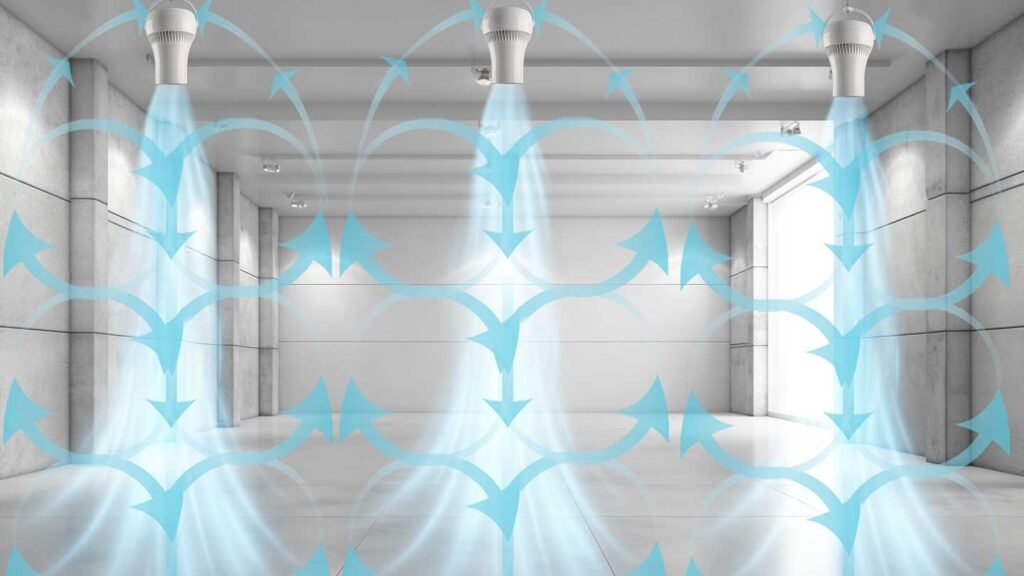
Unlike traditional ceiling fans, which are commonly used to create a cooling breeze, Airius destratification fans are specifically designed to promote continuous vertical air circulation. Airius fans direct air from ceiling to floor, helping mix warmer and cooler air throughout the space. Rather than relying on seasonal fan reversal, this controlled air circulation helps reduce temperature layering year-round.
For homeowners with large living areas, vaulted ceilings, or other challenging spaces, destratification can provide another way to improve comfort.
Better Air Circulation for Every Season
Ceiling fans aren’t just for summer. Using a traditional ceiling fan in the correct direction during winter can help redistribute warm air and improve comfort. But the bigger takeaway is that air circulation matters all year long.
Your heating and cooling systems condition the air. Effective air circulation helps distribute that conditioned air throughout your home. If you’re looking for a solution specifically designed to reduce temperature stratification, Airius offers residential fans that help continuously circulate air from ceiling to floor.
Want to improve air circulation in your home? Explore Airius residential fans and find the right solution for your space.